

9 Essential Tips for Successful Event Planning That Every Organizer Should Know
Oct 17, 2025
3 min read
Updated: Nov 13, 2025
Event planning can feel overwhelming, whether it's a cozy family gathering or a large corporate conference. The foundation of a successful event planning lies in careful planning and execution. This blog post shares practical tips every organizer should know to ensure their events not only run smoothly but also create lasting memories for attendees.
Define Your Goals and Objectives
Before diving into logistics, it's essential to pinpoint your goals. Are you looking to raise awareness, generate leads, or celebrate a special achievement? Clear objectives will guide your planning and help you make informed decisions.
For example, if your goal is to raise funds for a charity, specify how much you aim to collect. Setting a target, like raising $5,000, provides a clear benchmark for success and allows you to measure your impact.
Create a Detailed Budget
Budgeting is crucial in event planning. A well-structured budget helps allocate resources wisely and avoid overspending. Begin by listing possible expenses, such as venue rental, catering, entertainment, and marketing. For a small event, the budget could range from $1,000 to $5,000, while larger events might require $20,000 or more.
It's also wise to set aside a contingency fund of at least 10% of your total budget for unexpected costs. Monitor your spending closely and adjust as needed to stay within your limits. Event planning doesn't have to come with a hefty price tag; creativity can lead to cost-effective solutions.
Choose the Right Venue
The venue plays a pivotal role in setting the event's mood. When selecting a location, consider factors like capacity, accessibility, and amenities. Make sure it aligns with your event's theme and goals.
For instance, if hosting a tech conference for 300 attendees, look for venues equipped with strong Wi-Fi and audio-visual capabilities. Visiting potential venues helps visualize the flow of your event. Pay attention to details, such as lighting and layout, as these can greatly enhance an attendee's experience.
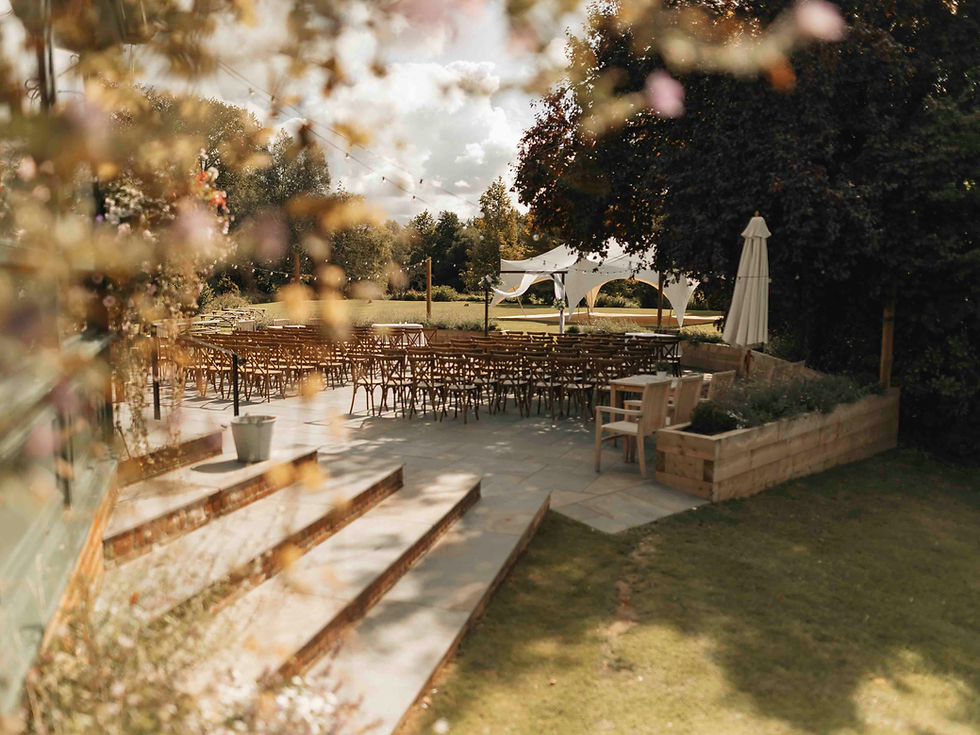
Outdoor Venue Set Up Indoor Venue Set Up
Develop a Comprehensive Timeline
A meticulously planned timeline keeps everything on track. Start by listing all tasks needed before the event day. Assign deadlines and responsibilities to team members to promote accountability.
Key milestones could include finalizing the guest list two months prior, sending invitations three weeks ahead, and confirming catering and vendors two weeks before the event. A detailed timeline helps you stay organized and minimizes last-minute surprises.
Assemble a Reliable Team
No organizer can manage all aspects alone. Building a dependable team is vital for successful event execution. Identify people with skills that complement yours, such as marketing, logistics, or customer service.
Hold regular meetings to discuss progress and tackle challenges together. Clear communication will foster teamwork and contribute positively to the event's success.
Focus on Attendee Experience
Prioritize the experience of your attendees. Understanding their needs and preferences guides your decisions about the event. Design the atmosphere to encourage engagement from arrival to departure.
For example, interactive elements like Q&A sessions or panel discussions keep attendees involved and make the event more valuable. Ensure that critical logistical elements, such as registration and catering, operate smoothly to enhance the overall experience.


